Products
Clients
Months
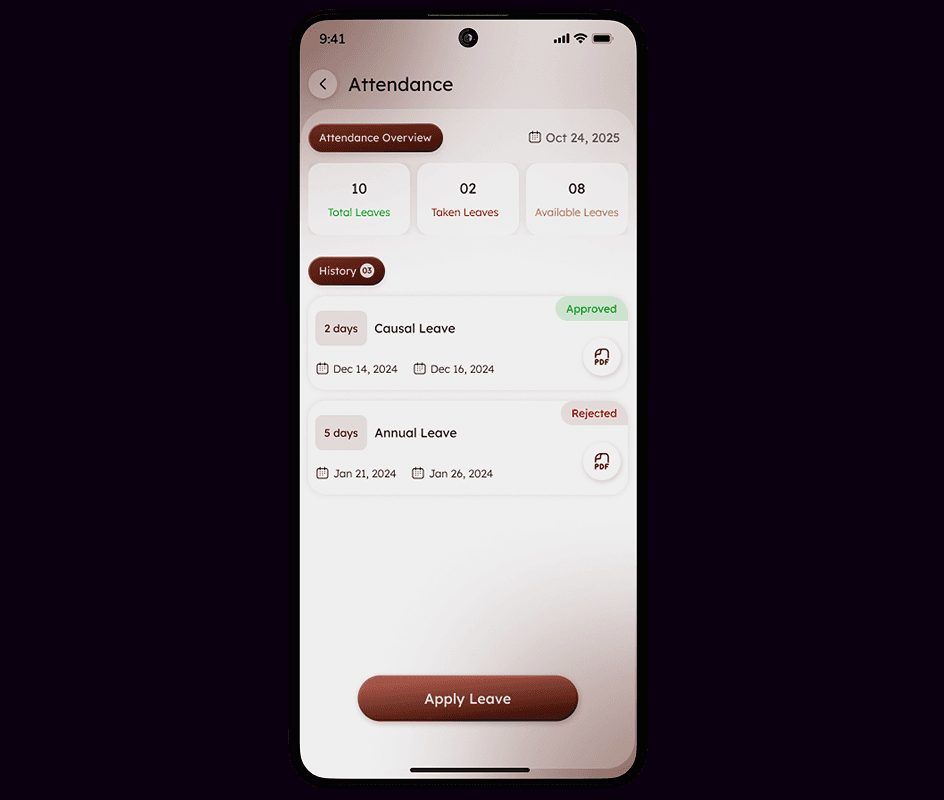
Elevator service companies struggle to maintain organized records of clients, buildings, and technician details with manual systems causing confusion. There's no centralized way to onboard new clients, assign technicians to specific locations, or track technician certifications and specializations.

Critical elevator information like model numbers, installation dates, specifications, warranty details, and maintenance schedules are scattered across paper files and spreadsheets. Technicians can't access product manuals or service history when needed, causing delays and repeated issues.
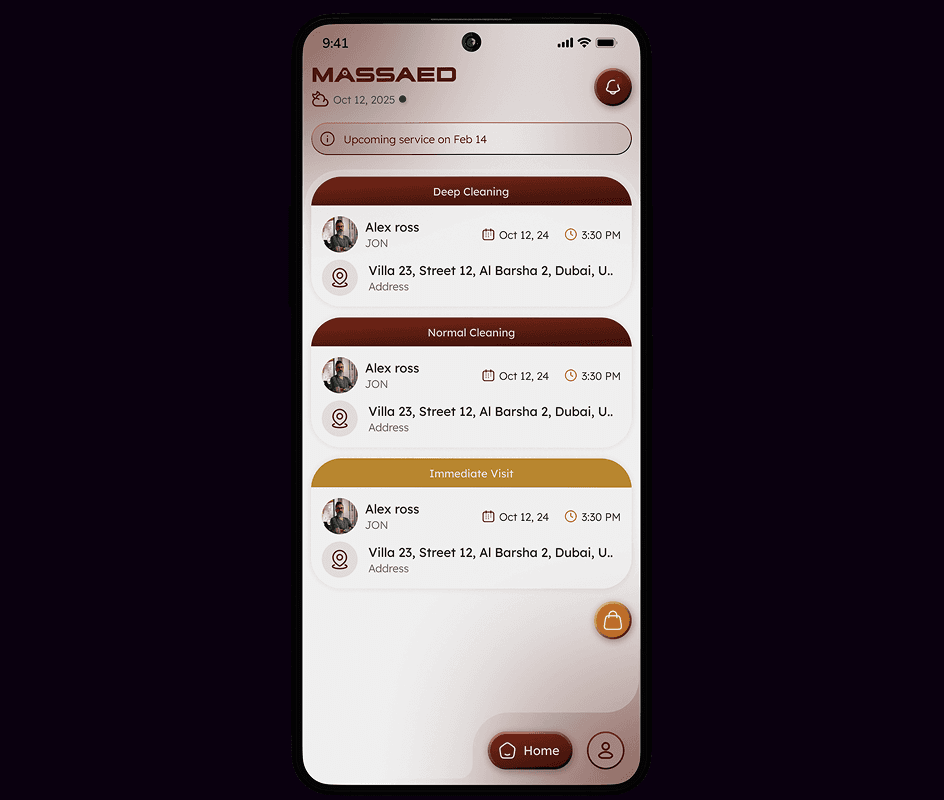
Service requests come through phone calls, messages, and emails with no organized tracking system, leading to missed requests and unclear priorities. There's no way to schedule routine maintenance, track service status, or maintain a proper queue of pending and completed jobs.
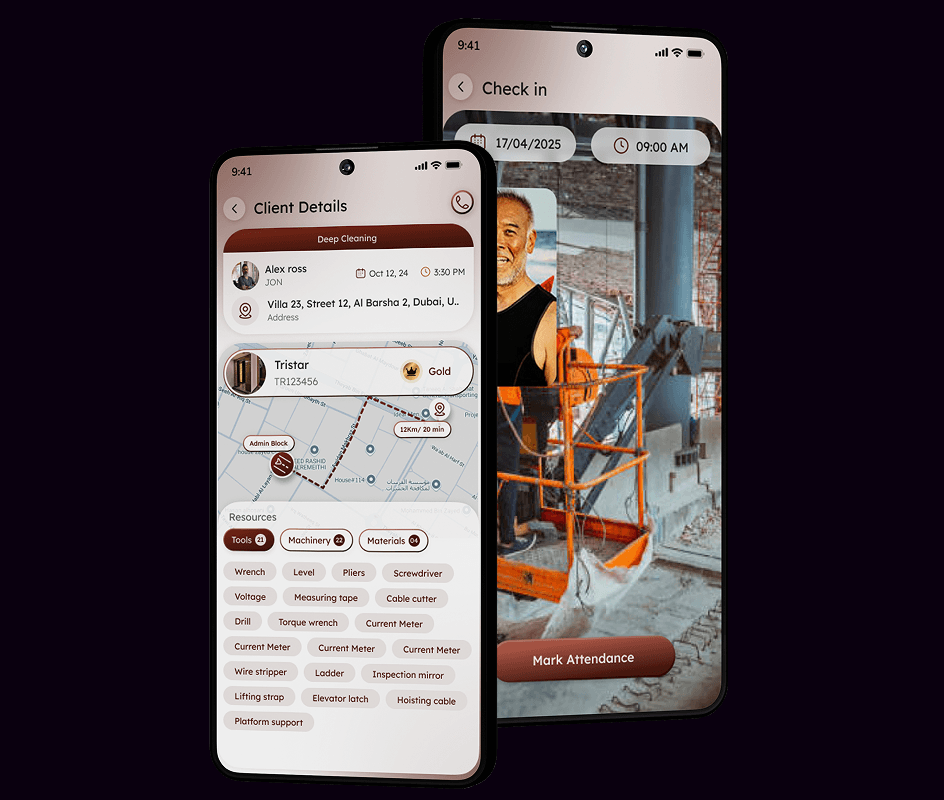
Companies have no visibility into technician field activities, with manual timesheets causing payroll disputes and no proof of site visits. There's no way to track what work was done, parts used, time spent, or verify that technicians actually visited the assigned locations.
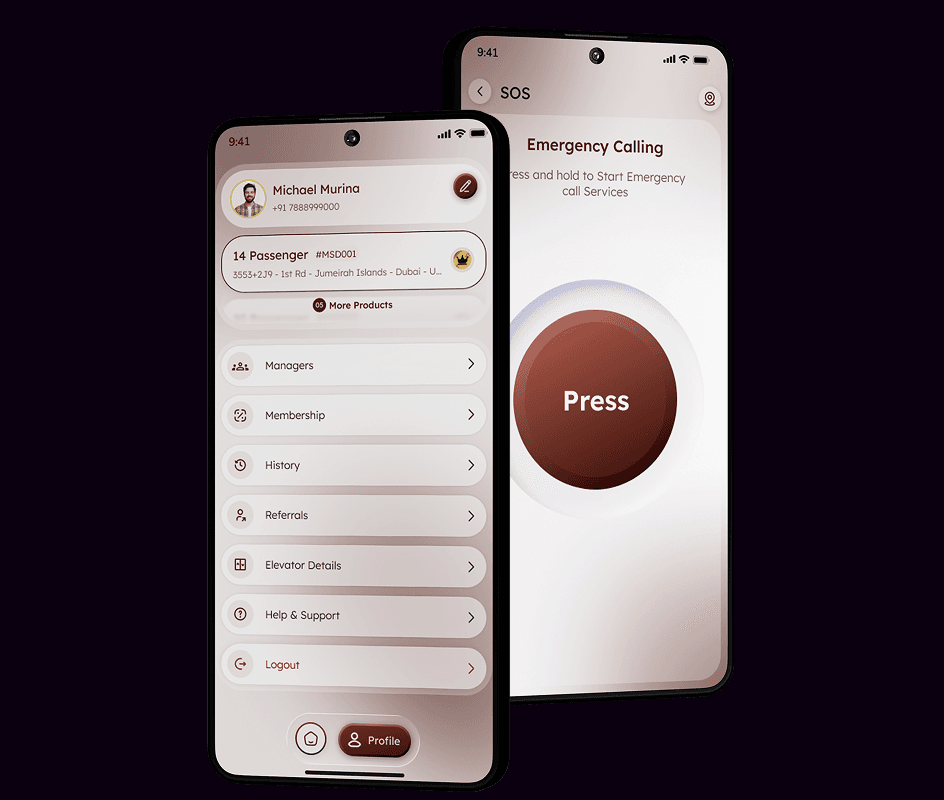
Elevator emergencies require immediate response but manual phone coordination causes dangerous delays, with no way to prioritize life-threatening situations. There's no direct communication with trapped passengers or real-time tracking of emergency response times for compliance.